Fostering a Sustainable Healthy Generation: Hygiene Campaigns and Equitable Sanitation of Tanks, Pipes, and Toilets in Teluk Bintuni
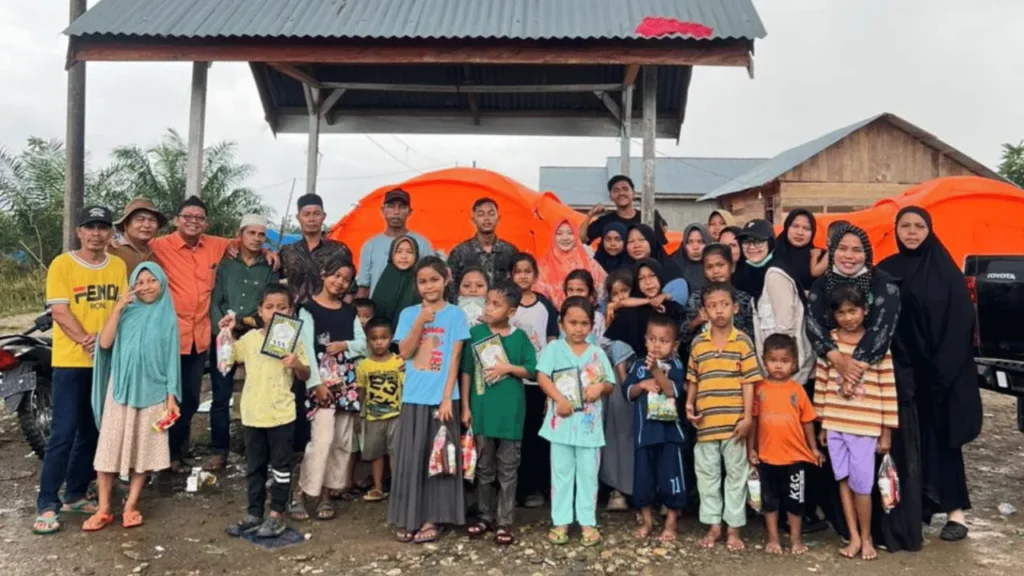
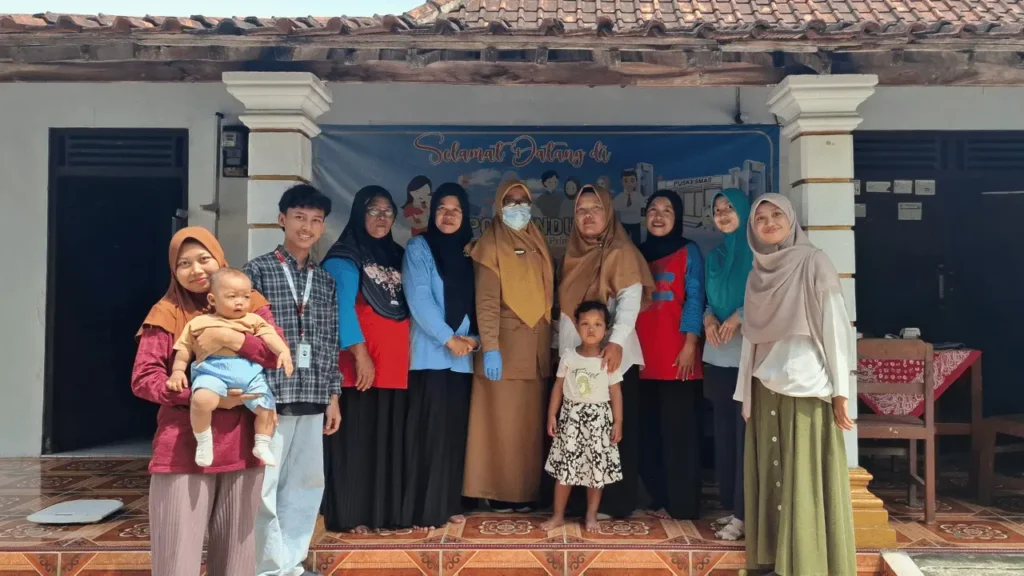
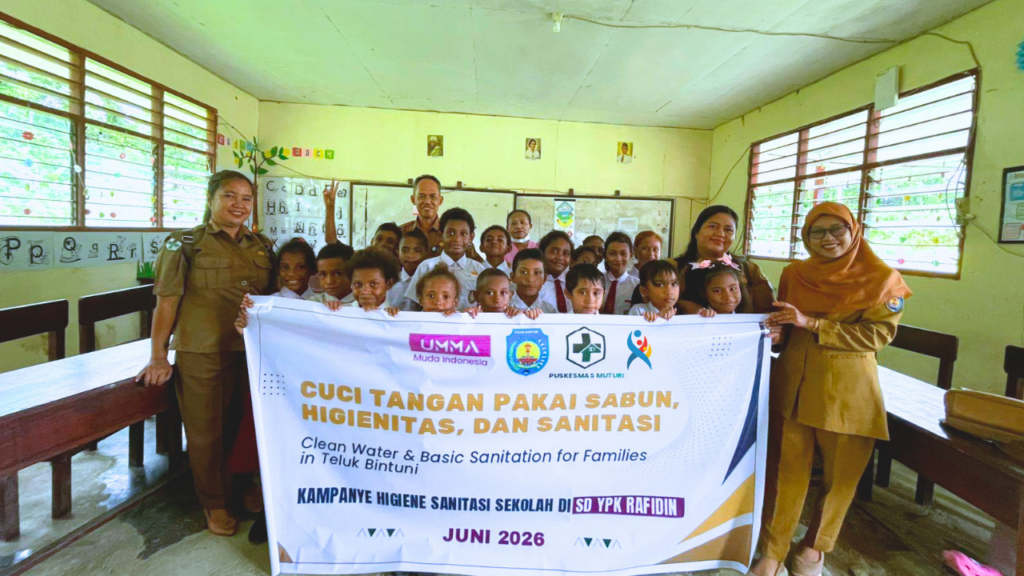
Access to clean water, adequate sanitation, and foundational hygiene practices forms the cornerstone of public health, child development, and sustainable community resilience. In rural and developing regions, addressing sanitation challenges requires a coordinated approach that bridges basic infrastructure with long-term behavioral change. In Teluk Bintuni Regency, West Papua, integrated community initiatives are actively tackling these challenges, ensuring that improvements to sanitation facilities directly translate into healthier lives for children and families. School Sanitation Hygiene Campaigns and Fostering Healthy Habits Instilling lifelong health habits begins in the classroom. At SD YPK Rafidin, a comprehensive School Sanitation and Hygiene Campaign was conducted to introduce and reinforce Clean and Healthy Living Behaviors (Perilaku Hidup Bersih dan Sehat / PHBS) among primary school students and educators. Central to the campaign is the slogan: “Sekolahku Sehat, Sekolah Sehat Berawal dari Perilaku yang Sehat” (My School is Healthy; A Healthy School Begins with Healthy Behavior) The educational sessions engaged students through practical demonstrations and interactive discussions, focusing on: Empowering Households: Distribution of Family Hygiene Kits Recognizing that school-based hygiene education must be mirrored at home, a targeted aid initiative was launched under the program Hygiene Kits for Families to Support Behaviour Change. This initiative was made possible through a multi-stakeholder collaboration among Karsa Jadeva, UMMA Muda Indonesia, and Puskesmas Muturi. Key highlights of the distribution include: Technical Training: Maintenance and Basic Repair of Sanitation Infrastructure Hardware solutions such as water storage and restrooms can only yield lasting benefits if they remain functional and well-maintained over time. To ensure infrastructure durability and community self-reliance, UMMA and Puskesmas Muturi organized a dedicated technical training session titled “Maintenance and Basic Repair Tanks, Pipes, and Toilets” (Pelatihan Pemeliharaan dan Perbaikan Dasar Tangki, Pipa, dan Toilet). This technical capacity-building program focused on: Integrated Maternal and Child Health Services & Stunting Prevention Sanitation and nutrition are inextricably linked, especially during the critical first 1,000 days of life. At Posyandu Mawar, monthly integrated health services were conducted in close partnership with local health cadres (kader posyandu) and Puskesmas Muturi. The integrated maternal and child health activities included: Gallery